Heart Transplant
Vanderbilt Health is one of the top heart transplant programs in the world, providing patients with outstanding outcomes and access to innovative new research and treatments. By pioneering new approaches, we are able to serve more patients, including high-risk patients who may not be candidates for transplantation at other medical centers. Our specialists also provide heart-kidney, heart-liver and heart-lung transplants for patients with multiple organ failure.
Conditions We Treat
- Cardiomyopathy
- Congenital heart disease
- Graft failure (retransplant)
- Valvular heart disease
Meet Your Care Team

Swaroop BommareddiMD
- Aortic Aneurysms,
- Cardiac Surgery,
- Cardiac Valve Disease,
- Cardiovascular Medicine,
- Heart Transplantation,
- Mechanical Circulatory Support,
- Transcatheter Aortic Valve Replacement (TAVR)
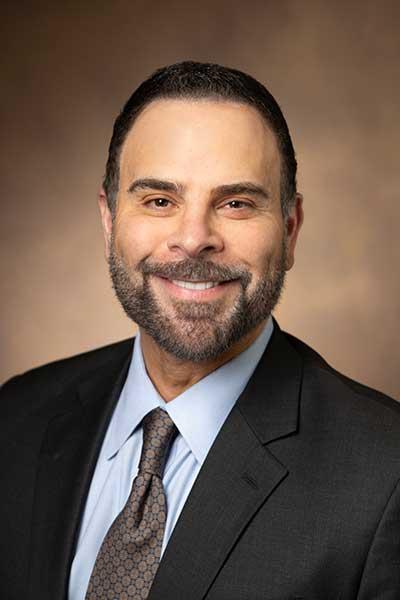
Brian LimaMD
- Aortic Aneurysms,
- Cardiac Surgery,
- Cardiac Valve Disease,
- Cardiovascular Medicine,
- Coronary Heart Disease,
- Heart Transplantation,
- Transcatheter Aortic Valve Replacement (TAVR)
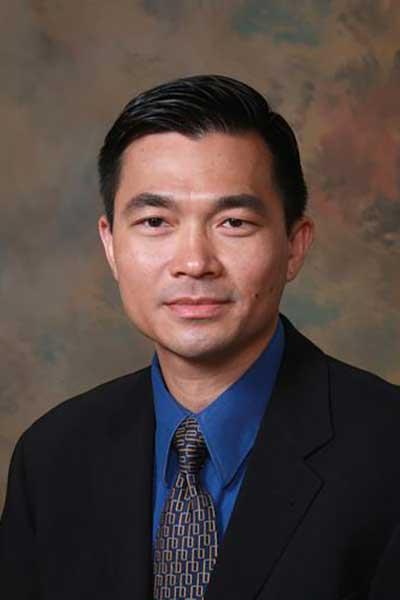
Duc Q. NguyenMD
- Cardiac Surgery,
- Cardiovascular Medicine,
- Coronary Heart Disease,
- Heart Assist Devices,
- Heart Transplantation

Eric N. QuintanaMD
- Aortic Aneurysms,
- Arrhythmias - Ablation,
- Cardiac Surgery,
- Cardiac Valve Disease,
- Cardiovascular Medicine,
- Coronary Heart Disease,
- Heart Valve Center
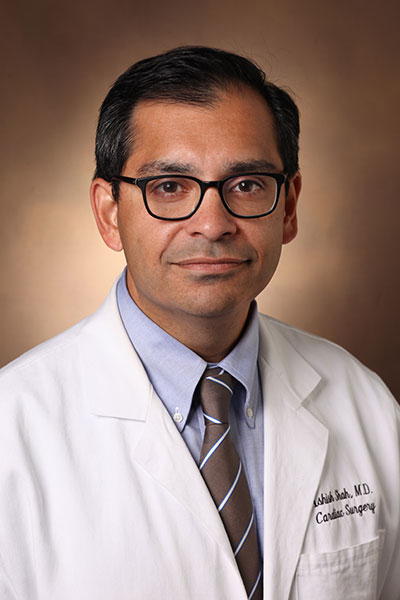
Ashish S. ShahMD
- Aortic Center,
- Cardiac Surgery,
- Cardiac Tumors,
- Cardiac Valve Disease,
- Heart Assist Devices,
- Heart Valve Center,
- Hypertrophic Cardiomyopathy & Inherited Disease
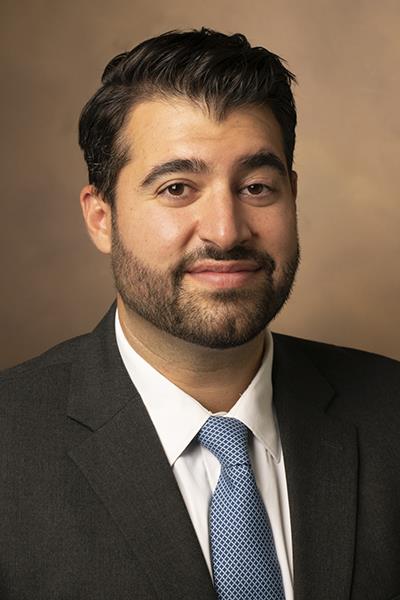
John M. TrahanasMD
- Aortic Aneurysms,
- Cardiac Surgery,
- Cardiac Transplantation,
- Cardiac Valve Disease,
- Coronary Heart Disease,
- Transcatheter Aortic Valve Replacement (TAVR),
- Transplant
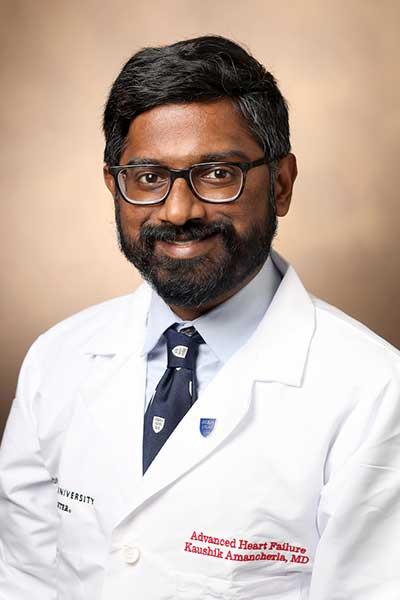
Kaushik AmancherlaMD
- Cardiovascular Medicine,
- Congestive Heart Failure,
- Heart Transplantation,
- Mechanical Circulatory Support
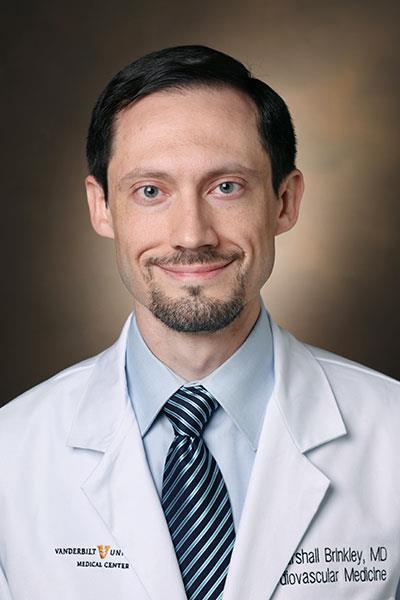
Douglas M. Brinkley JrMD
- Cardiovascular Medicine,
- Congestive Heart Failure,
- Heart Transplantation,
- Hypertrophic Cardiomyopathy & Inherited Disease,
- Mechanical Circulatory Support
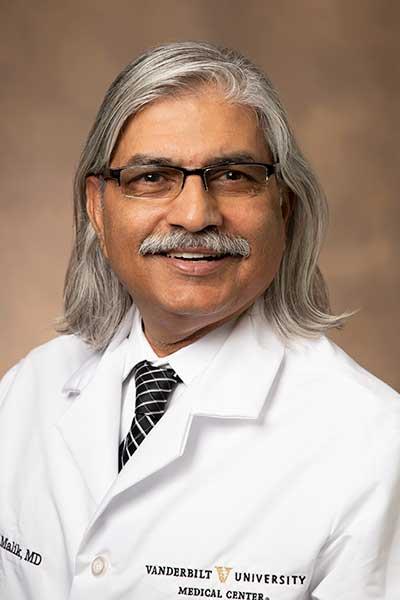
Furrukh S. MalikMD
- Advanced Heart Failure and Transplant Cardiology,
- Cardiovascular Disease,
- Cardiovascular Medicine,
- Hypertension,
- Mechanical Circulatory Support

Jonathan N. MenachemMD
- Cardiovascular Medicine,
- Congestive Heart Failure,
- Heart Transplantation,
- Mechanical Circulatory Support

Henry H. OoiMD
- Cardiovascular Medicine,
- Congestive Heart Failure,
- General Cardiology,
- Heart Transplantation
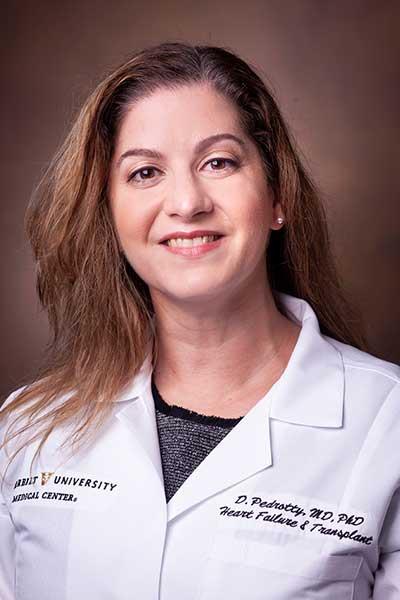
Dawn M. PedrottyMD, PhD
- Advanced Heart Failure and Transplant Cardiology,
- Cardiovascular Medicine,
- Congestive Heart Failure,
- Mechanical Circulatory Support
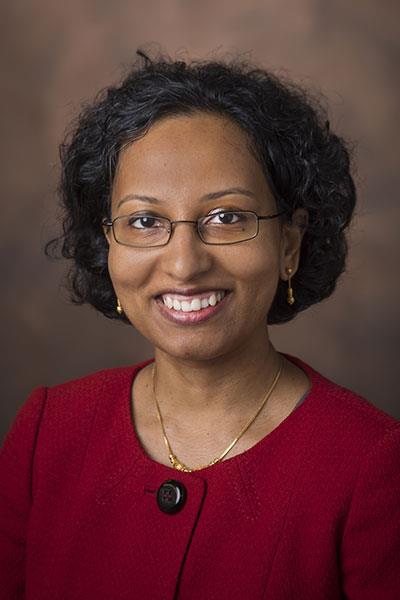
Lynn R. PunnooseMD
- Cardiovascular Disease,
- Cardiovascular Medicine,
- Congestive Heart Failure,
- Mechanical Circulatory Support
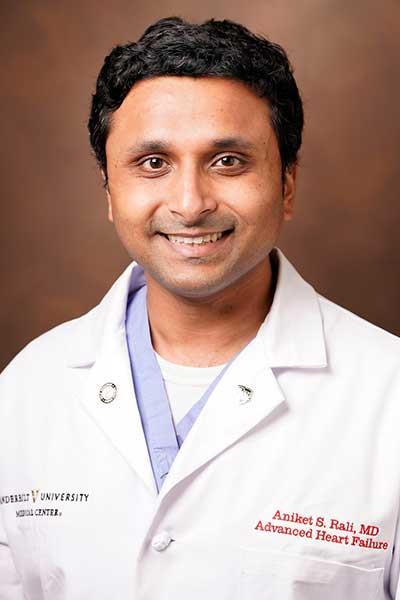
Aniket S. RaliMD
- Advanced Heart Failure and Transplant Cardiology,
- Cardiogenic Shock and Critical Care Medicine,
- Cardiovascular Medicine,
- Congestive Heart Failure,
- Heart Transplantation,
- Mechanical Circulatory Support
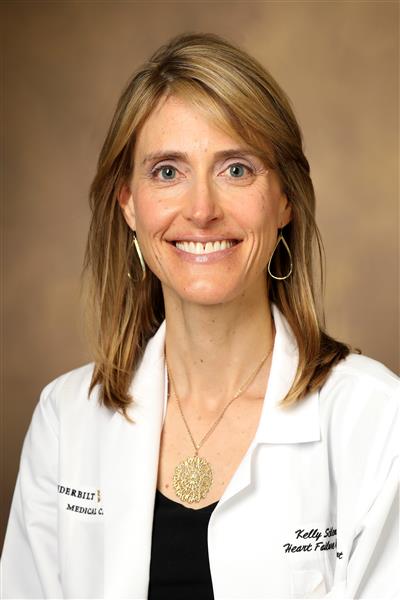
Kelly H. SchlendorfMD, MHS
- Cardiovascular Medicine,
- Congestive Heart Failure,
- Heart Transplantation,
- Mechanical Circulatory Support
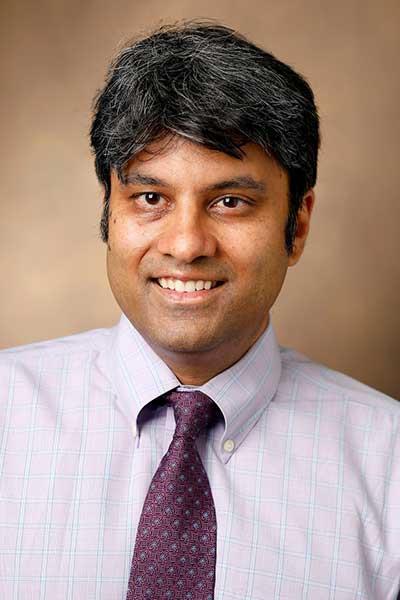
Ravi ShahMD
- Cardiovascular Medicine,
- Congestive Heart Failure,
- Heart Transplantation,
- Mechanical Circulatory Support
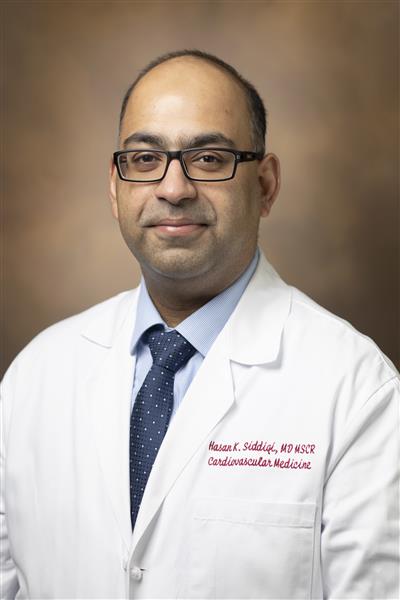
Hasan K. SiddiqiMD, MSCI
- Cardiovascular Medicine,
- Congestive Heart Failure,
- Heart Transplantation,
- Mechanical Circulatory Support

Stacy TsaiMD, MS
- Advanced Heart Failure and Transplant Cardiology,
- Cardiovascular Medicine,
- Congestive Heart Failure,
- Heart Transplantation,
- Mechanical Circulatory Support
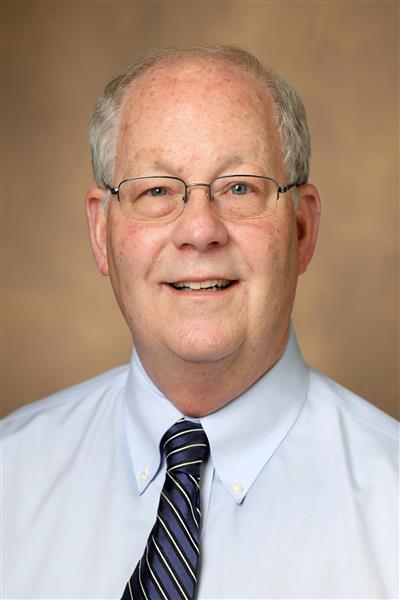
Mark A. WiggerMD
- Cardiovascular Medicine,
- Congestive Heart Failure,
- Heart Transplantation,
- Mechanical Circulatory Support
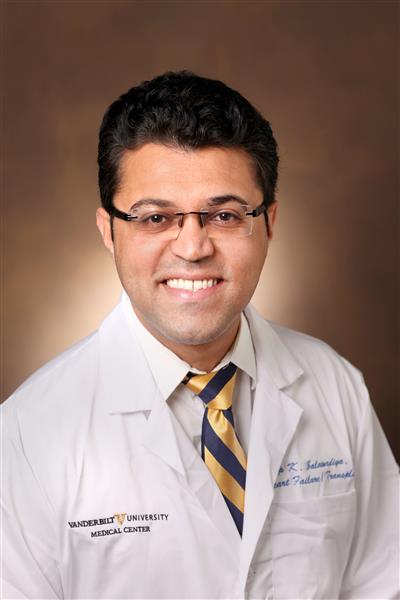
Sandip K. ZalawadiyaMBBS
- Cardiovascular Medicine,
- Congestive Heart Failure,
- Heart Transplantation,
- Mechanical Circulatory Support

Diana R. DavisAPRN
- Advanced Heart Failure and Transplant Cardiology,
- Cardiovascular Medicine,
- Heart Transplantation


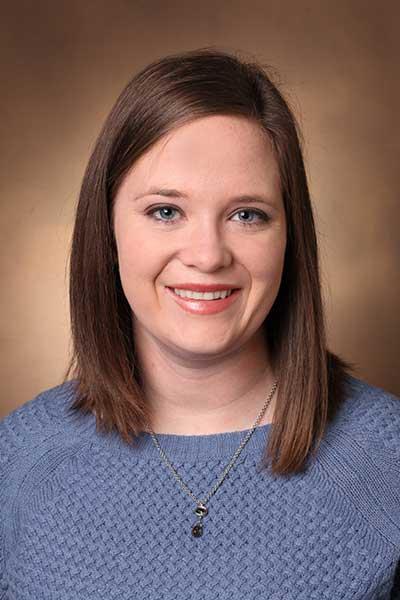
Rachel E. FowlerAGACNP-BC
- Advanced Heart Failure and Transplant Cardiology,
- Cardiovascular Medicine,
- Heart Transplantation
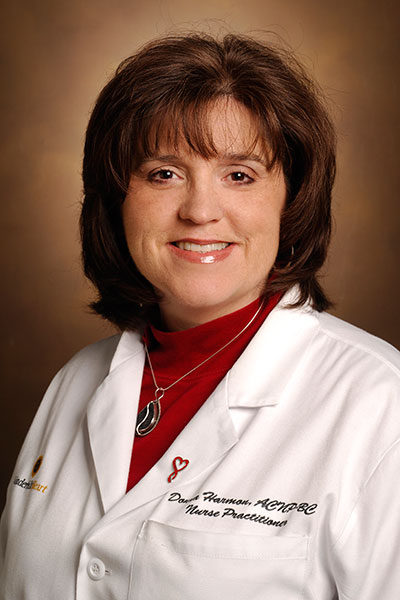
Donna HarmonAPRN
- Advanced Heart Failure and Transplant Cardiology,
- Cardiovascular Medicine,
- Congestive Heart Failure,
- Heart Transplantation
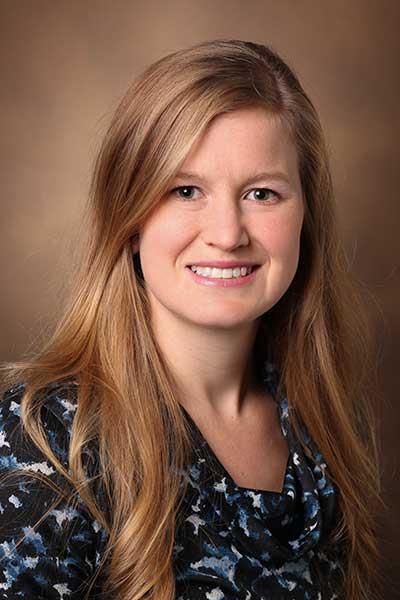
Sarah T. MorganAGPCNP-BC
- Advanced Heart Failure and Transplant Cardiology,
- Cardiovascular Medicine,
- Heart Transplantation
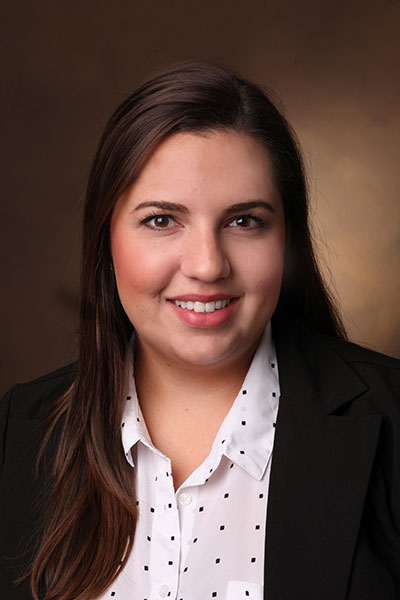
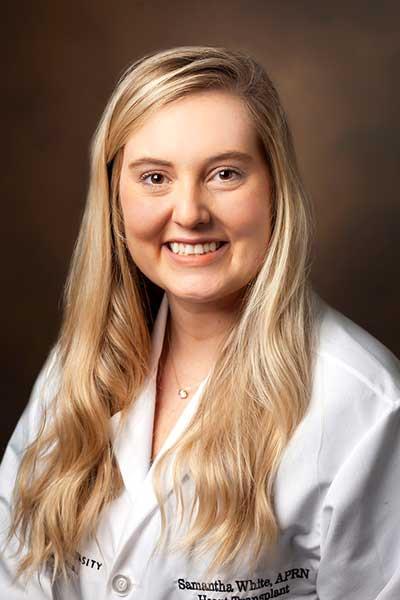
Samantha L. PadbergAPRN
- Advanced Heart Failure and Transplant Cardiology,
- Cardiovascular Medicine,
- Heart Transplantation

Why Choose Heart Transplant at Vanderbilt
- Knowledge and experience
Vanderbilt Health is one of the top heart transplant programs in the world. In 2025, Vanderbilt set a world record by performing 210 adult and pediatric heart transplants. The number of patients whose lives were saved by our heart transplant team far surpasses any previous total by an individual transplant center. Our vast experience means expert care for you.
- Excellent outcomes
Results for Vanderbilt heart transplant patients regularly exceed national standards.
- Advanced treatment
We offer mechanical support options while you wait for a heart transplant—or sometimes instead of a transplant. For example, a ventricular assist device (VAD) allows you to live normally at home. As one of the first hospitals in the Southeast to offer VADs, we’ve implanted more than 500, including implanting the first total artificial heart in 2018. We were also among the first to provide extracorporeal membrane oxygenation (ECMO) for patients with severe conditions.
- Innovation
Our heart transplant teams helped pioneer the transplant of hearts from donors with hepatitis C. This greatly increases the number of healthy donor hearts available for waiting recipients. Our teams also were among the first to use ex vivo perfusion, keeping a heart beating while in transit from donor to recipient. This helps ensure the donor heart you receive is the healthiest it can be.
- Veterans' care
We are one of only a few transplant programs designated by the U.S. Department of Veterans Affairs (VA) to provide organ transplant services to our nation’s veterans.
- Pediatric care
We know our smallest patients require a dedicated team of specialists as knowledgeable as they are comforting in their approach to pediatric care. That’s why we provide pediatric transplant services through the Monroe Carell Jr. Children’s Hospital at Vanderbilt.
- Coordinated pharmacy services
Our transplant pharmacists offer the highest level of care and expertise for transplant patients. Each transplant pharmacist works directly with doctors and staff to monitor patients' care plans.
- Recognized care
Vanderbilt is consistently ranked among the nation’s best by leading authorities on health care quality. People from throughout the Southeast and across the country rely on us for the best and most innovative care possible.
Tests, Treatments and Services
We offer a full range of tests, treatments and services, including:
- Treatment of advanced heart failure
- Heart transplant
- Ventricular assist devices (VADs)
- Dual-organ transplant
Support Resources
Heart Transplant Patient & Caregiver Support Group
First Tuesday of every month
2-3 p.m.
Village at Vanderbilt
1500 21st Ave. S, Suite 3100
Nashville, TN 37232