Surgical Weight Loss
The Vanderbilt Surgical Weight Loss program offers advanced care to help you lose weight and improve your overall health. If you’ve been unable to reach a healthy weight with nutritional and lifestyle improvements alone, surgery might be a better and safer option for achieving your weight loss goals. Our team will work with you to develop a personalized care plan combining surgery, nutrition, exercise and psychological support.
Weight Loss Surgery Treatment Guide
If you're considering weight loss surgery, download our treatment...
Conditions We Treat
Meet Your Care Team

Jessica Ardila GatasMD
- Bariatric/Weight Loss Surgery,
- Biliary Disease / Gallbladder,
- GI Surgery,
- Gastroesophageal Reflux Disease,
- General Surgery,
- Surgical Endoscopy
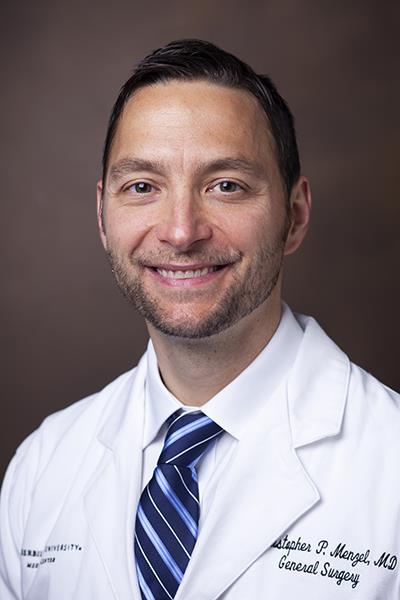
Christopher MenzelMD
- Bariatric/Weight Loss Surgery,
- Biliary Disease / Gallbladder,
- GI Surgery,
- Gastroesophageal Reflux Disease,
- General Surgery,
- Minimally Invasive Foregut Surgery,
- Surgical Weight Loss Surgery
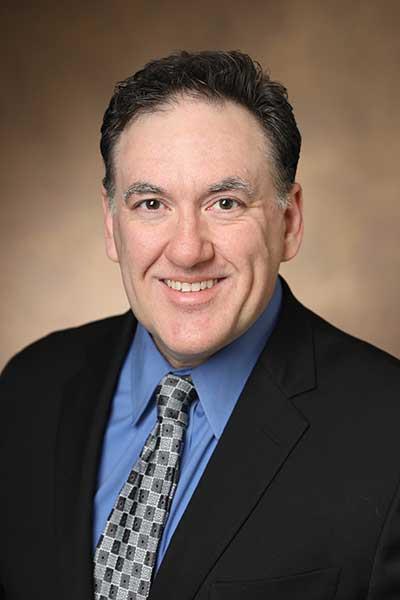
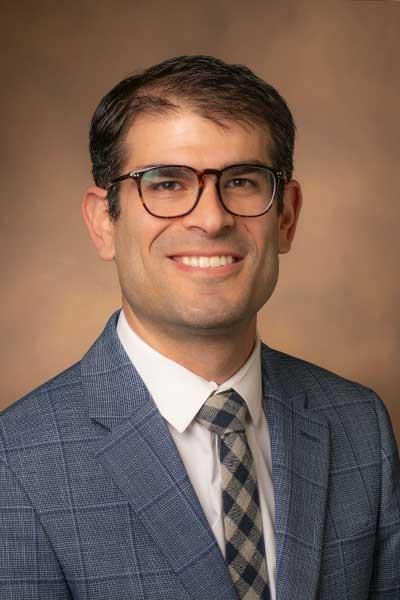
Jason M. SamuelsMD
- Bariatric/Weight Loss Surgery,
- Biliary Disease / Gallbladder,
- GI Surgery,
- General Surgery,
- Hernias (Inguinal, Ventral, Incision),
- Minimally Invasive Foregut Surgery,
- Surgical Weight Loss Surgery
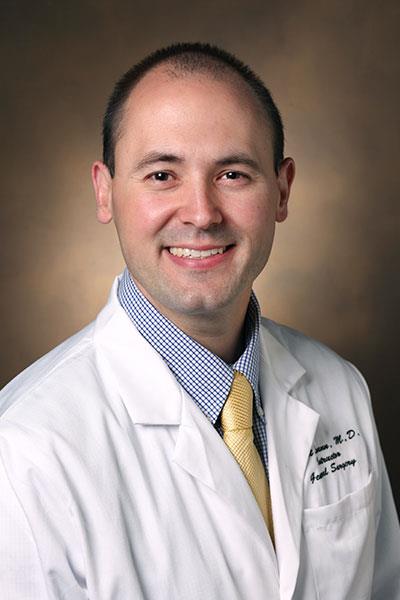
Matthew D. SpannMD
- Bariatric/Weight Loss Surgery,
- GI Surgery,
- General Surgery,
- Minimally Invasive Foregut Surgery,
- Surgical Weight Loss Surgery
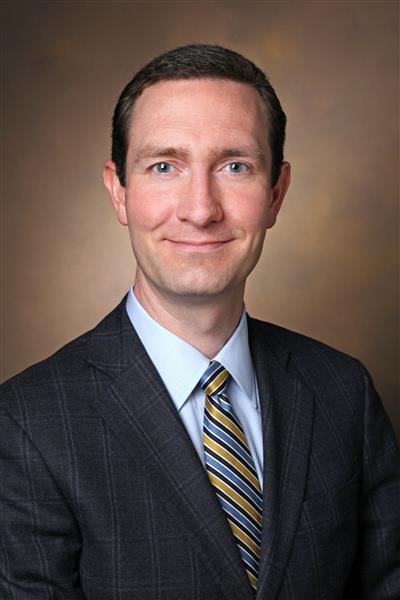
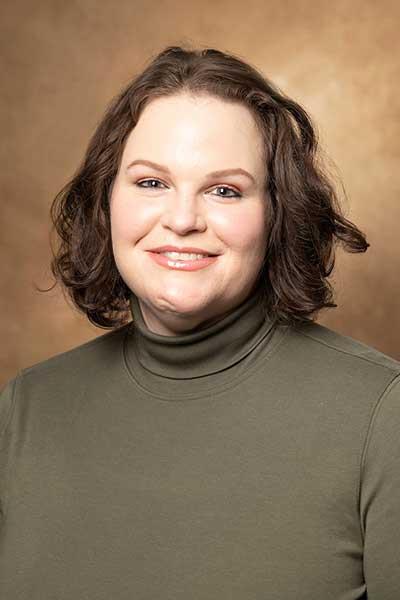
Cynthia A. BlalockAPRN, RN
- Bariatric/Weight Loss Surgery,
- General Surgery,
- Surgical Weight Loss Surgery
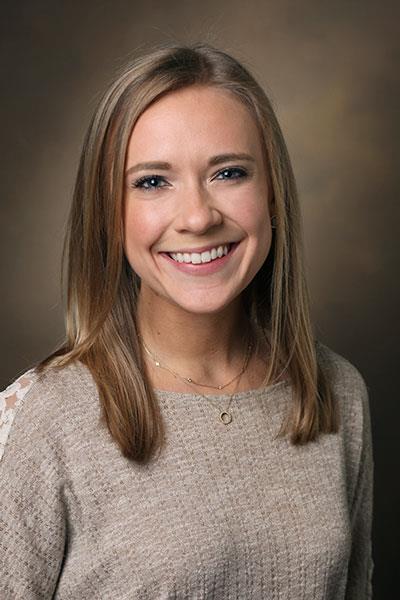

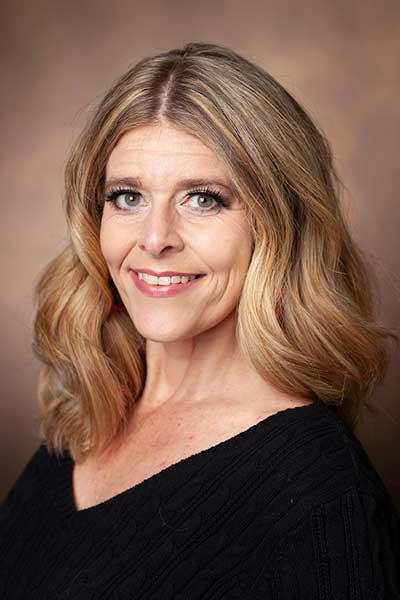



Why Choose Surgical Weight Loss at Vanderbilt
- Highly skilled teamOur board-certified doctors are specially trained and experienced in all aspects of weight loss. Our specialists partner with you and a team of nurses, dietitians, exercise physiologists and psychologists to help you meet your weight loss goals.
- Collaborative care
Our surgeons work closely with bariatricians (doctors who treat obesity), nurses, dietitians, psychologists and exercise physiologists to create a tailored care plan that is right for you.
- Personalized care
We work with you to determine the best procedure based on your health, unique needs and personal preferences.
- Access to a fitness facility
You can join the Vanderbilt Dayani Center for Health and Wellness (a medical fitness facility) for a reduced membership fee. As a member, you have access to a variety of classes and specialists to help you exercise safely on your own.
- Innovation
As part of an academic medical center, our team is continually exploring new and innovative approaches for weight loss. To help you achieve life-changing results, we provide you with access to the latest proven treatment options.
- Long-term support
From your initial evaluation through surgery through post-operative care, you’ll receive ongoing support. Afterward, you’ll benefit from our support groups and from lifelong guidance regarding lifestyle changes, nutrition education, exercise and medications required to maintain continued success.
Surgical Weight Loss Program
Tests, Treatments and Services
We offer a full range of tests, treatments, and services including:
- Single anastomosis duodenal-ileal bypass with sleeve gastrectomy (SADI-S)